Blogs
SEO
2026
Digital Service
2026
Live Digital
2026

Meta Ads
2026

E Commerce
2026

Facebook Ads
2026

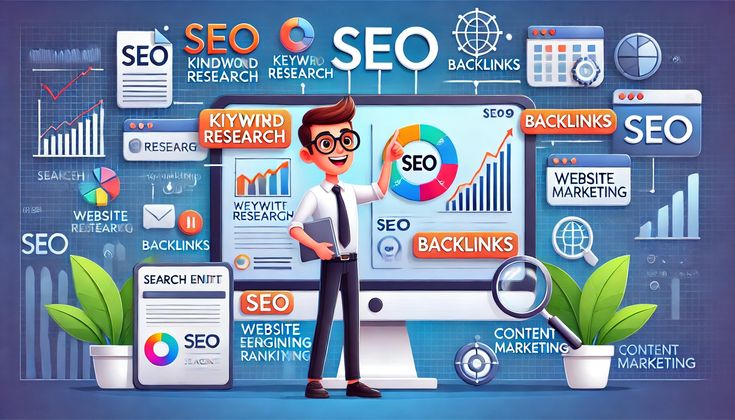
SEO in 2026: The Complete Guide to Ranking Higher on Google
Introduction
Search Engine Optimization isn’t what it used to be. The tactics that worked five years ago—such as stuffing keywords, building spammy backlinks, and writing thin content—are not just ineffective now; consequently, they can actively harm your website’s rankings.
revolves around understanding user intent, creating exceptional content, and leveraging AI tools strategically. Furthermore, Google’s algorithms have evolved significantly to prioritize helpful, people-first content that genuinely solves problems. Meanwhile, artificial intelligence has transformed how marketers research keywords, optimize content, and analyze performance.
If you’re struggling to rank your website, you’re certainly not alone. Millions of businesses compete for the same search visibility daily, while Google processes over 8.5 billion searches every 24 hours. As a result, standing out requires far more than basic optimization—it demands a sophisticated, data-driven approach.
This comprehensive guide covers everything you need to know about modern SEO. Specifically, we’ll explore the latest ranking factors, explain how AI is changing optimization strategies, provide actionable techniques for on-page and off-page SEO, and demonstrate how to measure success effectively.
Whether you’re a small business owner in Gurugram trying to compete locally or an enterprise targeting global audiences, this guide will provide the exact roadmap to higher rankings and sustainable organic traffic. In short, let’s master SEO in 2026 together.
Blog Outline
Before diving deep, here is what this comprehensive guide covers:
-
What is SEO and why it matters in 2026 – Core concepts and strategic importance
-
How search engines work – Understanding Google’s current algorithm
-
Key ranking factors in 2026 – What actually impacts rankings today
-
On-page SEO strategies – Optimizing your content and individual pages
-
Off-page SEO and link building – Building domain authority and trust
-
Technical SEO essentials – Site performance, structure, and security
-
Local SEO for businesses – Ranking in your target geographic area
-
AI tools for SEO – Leveraging technology for faster, better results
-
Measuring SEO success – Key analytics, metrics, and KPIs
-
Common SEO mistakes to avoid – Critical pitfalls that hurt rankings
-
FAQs – Key questions answered in detail
What is SEO and Why It Matters in 2026
Defining Modern SEO
Search Engine Optimization (SEO) is the continuous practice of improving your website to increase its visibility in organic (non-paid) search engine results. When potential customers search for terms related to your industry, effective SEO ensures your website appears prominently at the top.
However, SEO in 2026 extends far beyond simple keyword placement. Specifically, modern optimization encompasses several interconnected pillars:
-
Content quality and relevance: Creating valuable, well-researched information that users actively seek. In addition, it requires keeping facts strictly updated.
-
User experience (UX): Ensuring websites are fast, accessible, responsive, and easy to navigate. For instance, layout shifts must be eliminated.
-
Technical performance: Guaranteeing that search engine bots can crawl and index your pages effortlessly. Consequently, technical errors must be fixed immediately.
-
Authority and trust: Building a strong industry reputation through high-quality backlinks and demonstrated expertise. As a result, brand equity grows naturally.
-
Mobile optimization: Delivering flawless performance across all smartphone and tablet devices. Indeed, mobile usability takes precedence today.
-
AI integration: Smartly utilizing artificial intelligence to enhance content research and technical workflows. In summary, AI simplifies data processing.
Why SEO Matters More Than Ever
Organic search currently drives over 53% of all web traffic, cementing its status as the largest single driver of online visitors. In addition, unlike paid advertising campaigns, organic traffic requires zero cost per click, remains highly sustainable, and continuously compounds over time.
Moreover, key commercial benefits of robust SEO include:
-
Cost-effectiveness: Organic traffic carries zero marginal per-click acquisition cost. Therefore, customer acquisition costs drop over time.
-
Long-term sustainability: Rankings persist and generate leads long after initial content creation ends. Conversely, ad traffic stops the moment budgets run out.
-
Enhanced trust: Searchers naturally trust organic search positions far more than paid ad banners. Furthermore, high rankings validate industry authority.
-
Compounding ROI: Ongoing optimization investments build long-term digital equity and continuous dividends. As a result, legacy pages keep producing value.
-
Competitive advantage: Higher rankings directly capture market share away from slower competitors. In fact, top positions absorb most industry search volume.
The reality remains stark: businesses appearing on Google’s first page receive 95% of all search clicks. In summary, if your pages are not listed on page one, your business remains virtually invisible to prospective customers.
How Search Engines Work: Understanding Google’s Algorithm
The Three-Step Process
Search engines like Google operate through a precise three-step process to deliver relevant answers:
-
Crawling: First, Google’s automated bots (known as Googlebot) continuously scan the web to discover new and updated web pages by following hyperlinks from existing content.
-
Indexing: Next, Google analyzes page content, visual media, and structural HTML tags. Subsequently, this structured information is stored in Google’s index—a massive global database of web content.
-
Ranking: Finally, when a user submits a query, Google’s algorithm evaluates indexed pages against hundreds of ranking signals to immediately display the most accurate, high-quality answers.
Google’s Algorithm Evolution
To appreciate current optimization standards, it helps to understand how Google’s core updates have evolved:
-
2013 (Hummingbird): Shifted focus toward overall search intent rather than isolated keywords. Consequently, semantic search became the baseline.
-
2015 (RankBrain): Introduced machine learning to better interpret complex or ambiguous queries. Furthermore, real-time signal processing took hold.
-
2019 (BERT): Significantly improved natural language processing for conversational searches. Thus, context around prepositions became clearer.
-
2021 (Page Experience Update): Made Core Web Vitals and user experience metrics explicit ranking factors. As a result, site speed directly impacted authority.
-
2022 (Helpful Content Update): Penalized low-value, unedited automated content written solely for search engines. In response, human-led editing became critical.
-
2024–2026 (AI Overviews & SGE): Integrated generative AI summaries directly into top Search Engine Results Pages (SERPs). Nevertheless, authoritative sources remain heavily cited.
Ultimately, Google’s overarching goal remains unchanged: rewarding authentic, people-first content that directly solves user problems over manipulative optimization tactics.
Understanding Search Intent
Search intent represents the fundamental goal behind any search query. Generally, search engines categorize user intent into four main categories:
| Intent Type | Description | Example Search Query |
| Informational | Seeking knowledge, guides, or quick answers | “How to optimize website SEO” |
| Navigational | Searching for a specific brand or login portal | “Google Analytics dashboard login” |
| Commercial | Researching solutions or options prior to buying | “Best SEO audit tools 2026” |
| Transactional | Ready to complete an immediate purchase | “Buy advanced SEO video course online” |
Consequently, because Google prioritizes content that fulfills user expectations, your web pages must align directly with the specific intent behind your target keywords.
Key Ranking Factors in 2026: What Actually Impacts Rankings
Although Google employs more than 200 ranking signals, the key factors outlined below carry the highest weight in 2026.
Content Quality & E-E-A-T
High-quality, comprehensive content remains the single most impactful ranking variable. In particular, Google demands content that demonstrates strong E-E-A-T (Experience, Expertise, Authoritativeness, and Trustworthiness).
-
Recommended action: Incorporate original research, expert quotes, first-hand experiences, and clear structural headers. Indeed, personal insights establish instant credibility.
-
What to avoid: In contrast, avoid thin articles under 500 words, generic duplicate text, and raw unedited AI content.
Backlinks & Domain Authority
In spite of continuous algorithm changes, quality backlinks still serve as primary votes of confidence across the web. Furthermore, obtaining links from authoritative, relevant websites builds domain credibility far faster than accumulating hundreds of low-tier web directory submissions.
Technical Performance & User Experience
Technical performance directly impacts both search rankings and visitor retention. Therefore, your website must satisfy strict technical standards:
-
Page load speed under 2.5 seconds.
-
Fully responsive, mobile-first design layouts.
-
Strong Core Web Vitals scores and active HTTPS encryption. Besides, secure protocols build instant visitor confidence.
On-Page Signals & User Engagement
In addition to structural setups, search engines monitor how users interact with your pages. For example, higher click-through rates (CTR), extended dwell times, and minimal bounce rates indicate to Google that searchers find your page content exceptionally useful.
Local Search Signals
Finally, for queries with geographic intent, ranking success relies on a fully verified Google Business Profile, consistent NAP (Name, Address, Phone) details across directories, positive customer reviews, and physical proximity to the user. Accordingly, local signals must be audited frequently.
On-Page SEO Strategies: Optimizing Your Content and Pages
Keyword Research and Selection
Effective on-page optimization relies on targeting the right keywords through a systematic workflow:
-
Step 1: Brainstorm core topics – Identify common client pain points, services offered, and frequent customer inquiries. Meanwhile, gather real sales conversations for context.
-
Step 2: Utilize professional tools – Run seed terms through keyword platforms like Google Keyword Planner, Ahrefs, SEMrush, or AnswerThePublic. In turn, organize queries by thematic clusters.
-
Step 3: Analyze metrics carefully – Balance search volume, difficulty metrics, intent fit, and conversion potential. Moreover, evaluate SERP feature availability.
Generally, aim for relevant search terms that combine reasonable competition levels with clear commercial relevance.
Title Tag Optimization
Title tags remain a major relevance signal and heavily influence search click-through rates:
-
Position primary target keywords near the beginning of the title.
-
Keep overall character length under 60 characters to prevent awkward truncation in search results.
-
In addition, add compelling modifiers, numbers, or current years to maximize click appeal. For instance, bracketed tags like
[2026 Guide]increase attention. -
Incorrect: SEO Tips
-
Correct: SEO in 2026: Complete Guide to Ranking Higher on Google
Meta Description Optimization
Even though meta descriptions are not a direct ranking factor, they significantly impact your CTR on search pages:
-
Keep character length strictly between 150–160 characters.
-
Include the primary keyword alongside a distinct benefit and a clear Call to Action (CTA). Hence, target audiences understand exact page value immediately.
Example: “Master SEO in 2026 with this complete step-by-step guide. Learn proven techniques to rank higher on Google and drive organic leads. Read the full guide today!”
Header Structure (H1, H2, H3)
Organizing your web content visually helps both readers and search engine crawlers digest information:
-
Reserve a single H1 tag strictly for the primary article title.
-
Group core content sections logically under distinct H2 tags. Subsequent sub-topics then naturally fall into place.
-
In turn, use H3 and H4 tags for sub-points to break up text density and improve readability.
Content & Image Optimization
Structure detailed long-form guides (1,500–3,000 words) with concise paragraphs, scannable bullet points, and visual media. Additionally, when adding images:
-
Rename files using descriptive, hyphenated keywords (e.g.,
seo-keyword-research-tools.jpg). -
Write informative Alt text to support screen readers and search bots. Thus, accessibility standards are satisfied concurrently.
-
Compress image formats to modern standards such as WebP to maximize page speed. As a result, server load times stay low.
Internal Linking Strategy
Internal links allow web crawlers to discover new content while distributing page equity across your site. Specifically, connect core pillar pages to relevant supporting blog posts using natural, descriptive anchor text rather than non-descriptive phrases like “click here.” Otherwise, crawlers miss contextual relevance.
Off-Page SEO and Link Building: Building Authority and Trust
Backlinks signal to search engine algorithms that external publishers vouch for your information. As a direct result, earning links from respected industry portals increases your domain authority dramatically.
For instance, proven white-hat link-building strategies for 2026 include:
-
Publishing Linkable Assets: Creating original data reports, industry surveys, or useful web tools that others naturally reference. Consequently, links accumulate organically over time.
-
Strategic Guest Blogging: Contributing insightful, non-promotional articles to reputable publications within your niche. Furthermore, this establishes thought leadership across complementary audiences.
-
Broken Link Building: Finding broken links on authoritative resource pages and suggesting your updated content as a replacement. In doing so, webmasters receive free site fixes.
-
Digital PR Outreach: Pitching unique data insights or expert commentary to journalists, local media, and trade magazines. Thus, high-tier media mentions are acquired efficiently.
-
Competitor Backlink Auditing: Analyzing link profiles of top-ranking competitors to identify missing outreach opportunities. Afterwards, pursue those high-converting targets systematically.
Conversely, avoid black-hat tactics such as buying cheap link packages, posting automated blog comment links, or participating in link networks. Consequently, these practices run high risks of triggering manual penalties or search demotions.
Technical SEO Essentials: Site Performance and Structure
Site Speed Optimization
Fast-loading websites are essential for maintaining user engagement and search rankings. Specifically, aim for the following performance baselines:
-
Overall Page Load Time: Under 2.5 seconds
-
First Contentful Paint (FCP): Under 1.8 seconds
-
Time to Interactive (TTI): Under 3.8 seconds
Furthermore, achieve these metrics by leveraging browser caching, minifying CSS and JavaScript, using Content Delivery Networks (CDNs), and enabling server-side compression. In effect, page weight decreases significantly.
Mobile & Site Architecture
Because Google uses mobile-first indexing, responsive layouts are mandatory. Therefore, verify that buttons are easy to tap on mobile screens, fonts remain readable without zooming, and content scales seamlessly. Otherwise, mobile bounce rates spike rapidly.
In addition, maintain a flat site hierarchy where critical landing pages remain reachable within 3 to 4 clicks from your homepage. By doing so, internal link equity flows unobstructed.
Schema Markup & Search Indexing
Implement Structured Data (Schema.org) for articles, products, FAQs, and business profiles to earn eye-catching rich snippets on search results pages. Moreover, review Google Search Console regularly to identify crawl errors, resolve 404 links, and submit fresh XML sitemaps. Consequently, indexation issues get fixed immediately.
Local SEO for Businesses: Ranking in Your Geographic Area
Nearly half of all daily searches carry explicit local intent. For example, if you run a service business in cities like Gurugram or Delhi, targeted local SEO is critical for acquiring nearby clients. Specifically, focus on these local pillars:
-
Google Business Profile: Fully complete your business profile, upload high-resolution images, keep business hours accurate, and detail all services provided. Likewise, keep holiday operating hours updated.
-
Local Directory Citations: Ensure strict Name, Address, and Phone number (NAP) consistency across platforms like Bing Places, Apple Maps, JustDial, and IndiaMART. In turn, citation trust strengthens.
-
Review Acquisition: Actively request feedback from satisfied clients, maintain a 4.5+ star rating, and respond professionally to every online review. Above all, consistent reviews send strong local authority signals.
AI Tools for SEO: Leveraging Technology for Better Results
Integrating specialized AI platforms streamlines manual tasks and speeds up strategy execution:
-
Keyword Research & Strategy: SEMrush AI, Ahrefs, Moz Pro, Frase. In summary, these identify keyword gaps rapidly.
-
Content Optimization & Briefs: Surfer SEO, MarketMuse, Clearscope. Moreover, they streamline editor briefings.
-
Technical Site Audits: Screaming Frog, DeepCrawl, Sitebulb. Consequently, technical bugs are highlighted in minutes.
-
Drafting Assistance: Jasper, Copy.ai, Writer. In addition, they assist with preliminary content outlines.
Important Note: While AI accelerates research and outlines, nevertheless, always add expert human editing, original insights, and thorough fact-checking prior to publishing content.
Measuring SEO Success: Analytics and Key Metrics
Track key performance indicators (KPIs) regularly to measure your optimization ROI:
| KPI | Description | Target Benchmark |
| Organic Traffic | Visitors arriving via non-paid search results | Consistent month-over-month growth |
| Keyword Rankings | SERP positions for target search queries | Top 10 placement for primary terms |
| Click-Through Rate (CTR) | Ratio of search impressions to actual clicks | 3%–5%+ average CTR across pages |
| Bounce Rate | Percentage of users exiting without interaction | Below 50% average across blog pages |
| Session Duration | Total time spent exploring your page | 2–3+ minutes on average |
| Conversions | Inquiries, phone calls, or digital sales | Varies based on business model |
In summary, rely on Google Analytics 4 (GA4) for tracking visitor activity, Google Search Console (GSC) for search performance data, and tools like SEMrush or Ahrefs for daily keyword tracking. Furthermore, review these reports monthly to refine your roadmap.
Common SEO Mistakes to Avoid
-
Keyword Stuffing: Repeating terms unnaturally ruins user readability; instead, maintain a natural 1–2% keyword density.
-
Ignoring Mobile Design: Clunky mobile layouts frustrate users and directly trigger lower rankings under mobile-first indexing. As a result, half your audience leaves instantly.
-
Slow Load Speeds & Thin Content: Publishing surface-level content hosted on slow web servers limits organic potential. Therefore, prioritize quality infrastructure.
-
Purchasing Spammy Backlinks: Buying bulk link packages risks permanent algorithmic or manual penalties. Consequently, stick strictly to white-hat link acquisition.
-
Expecting Instant Results: SEO requires consistency; nonetheless, meaningful rankings typically require 6 to 12 months of execution.
Conclusion
SEO in 2026 demands a well-balanced strategy combining helpful, people-first content, reliable technical performance, genuine brand authority, and strategic AI assistance. To summarize, shortcuts no longer deliver lasting success.
To start boosting your organic traffic today, take these immediate steps:
-
Perform a thorough site audit to locate and fix technical errors.
-
Conduct targeted keyword research focused around real user intent. Subsequent optimizations can then proceed.
-
Write and publish comprehensive, well-structured content assets.
-
Optimize page titles, meta descriptions, alt text, and internal links.
-
Build genuine authority through local citations and white-hat link acquisition. In addition, cultivate media partnerships.
-
Track performance monthly using Google Analytics 4 and Search Console.
Start implementing these strategies today—ultimately, your organic traffic growth tomorrow depends on the foundation you build right now.
FAQs
Q1: How long does SEO take to show clear results?
Answer: Generally, SEO requires 6 to 12 months to demonstrate substantial traffic gains. This delay occurs because search engines require time to discover changes, evaluate user engagement, and calculate domain authority. Consequently, patience is vital.
Q2: Is traditional SEO still relevant in 2026?
Answer: Yes, absolutely. Even with AI search previews, organic search continues to account for over 50% of overall website traffic, making search optimization essential for sustainable online growth. In fact, authoritative sources feed AI search overviews directly.
Q3: Should I use AI tools to generate my blog posts?
Answer: AI tools excel at generating outlines, topic ideas, and initial drafts. However, direct human review, expert insights, and original research remain mandatory to satisfy Google’s quality standards. Therefore, hybrid workflows produce the best results.
Q4: How much does professional SEO service cost?
Answer: Pricing varies based on competition and business scope. For instance, self-service software subscriptions range from $100–$500 per month, whereas professional agency retainers in India typically range from ₹20,000 to ₹2,00,000+ per month.
Q5: What is more important: on-page SEO or off-page SEO?
Answer: Both components are equally vital. Specifically, on-page SEO ensures search engines understand and value your content, while off-page SEO provides the authority needed to outrank established competitors. In summary, both must work together seamlessly.
Digital Marketing AI: How Artificial Intelligence Is Transforming the Industry in 2026
Meta Description: Discover how Digital Marketing AI is revolutionizing the industry in 2026. Learn about AI tools for content, SEO, social media, analytics, and get practical strategies to leverage artificial intelligence for your marketing success.
Introduction
The marketing landscape has changed dramatically. What once took teams of specialists weeks to accomplish now happens in minutes through artificial intelligence. Consequently, from writing blog posts to optimizing ad campaigns, AI tools are reshaping every aspect of digital marketing.
Digital Marketing AI isn’t just a trend—it’s the new foundation of modern marketing. In 2026, companies using AI for marketing report 50% higher conversion rates and 40% lower customer acquisition costs compared to those relying on traditional methods alone.
However, here is the reality many marketers face: they are overwhelmed by AI tools but unsure how to use them effectively. Naturally, you might be wondering which AI platforms actually deliver results, how to integrate them into your workflow, or whether AI will replace human marketers entirely.
This comprehensive guide answers all these questions. First, we will explore the core AI technologies transforming digital marketing. Next, we examine real-world applications across content creation, SEO, social media, email marketing, and analytics. Finally, we provide actionable strategies to implement AI in your marketing strategy today.
Whether you are a small business owner in Gurugram looking to compete globally or a marketing professional wanting to stay ahead, this guide shows you how to leverage AI without losing the human touch that makes marketing effective.
Let’s dive into the future of digital marketing.
Blog Outline
Before exploring AI’s impact, here is a quick overview of what this guide covers:
What is Digital Marketing AI? – Core definition and technologies
7 Ways AI Transforms Digital Marketing – Key applications explained
Top AI Tools for Marketers in 2026 – Platform recommendations
Benefits of AI in Digital Marketing – Real advantages and ROI
Challenges and Limitations – What to watch out for
How to Implement AI in Your Marketing Strategy – Step-by-step guide
Future of AI in Marketing – What is coming next
FAQs – Common questions answered
What is Digital Marketing AI? Core Definition and Technologies
Defining Digital Marketing AI
Digital Marketing AI refers to the application of artificial intelligence technologies—including machine learning, natural language processing, predictive analytics, and automation—to enhance marketing activities across digital channels.
In essence, it is not just one tool, but a robust ecosystem of intelligent systems that:
Analyze vast amounts of customer data instantly.
Predict consumer behavior with high accuracy.
Automate repetitive marketing tasks effortlessly.
Generate content that resonates deeply with target audiences.
Optimize campaigns dynamically in real-time.
Core AI Technologies Powering Marketing
1. Machine Learning (ML)
Machine learning algorithms analyze data patterns to make accurate predictions without explicit programming. Consequently, in marketing, ML predicts which customers will convert, what products they will buy, and when they are most likely to engage.
2. Natural Language Processing (NLP)
NLP enables computers to understand, interpret, and generate human language seamlessly. As a result, this technology powers AI writing tools, intelligent chatbots, and content analysis systems.
3. Predictive Analytics
Predictive analytics uses historical data to forecast future outcomes. Furthermore, it tells marketers which leads are hottest, what content will perform best, and when to send emails for maximum engagement.
4. Computer Vision
Computer vision is AI designed to analyze images and videos. In visual marketing, it optimizes design elements, detects brand placement across media, and measures customer engagement with imagery.
5. Automation and Robotic Process Automation (RPA)
RPA automates repetitive tasks like email sending, social media posting, and ad bid management. Consequently, this frees up marketers to focus on higher-level strategic work.
Together, these technologies create intelligent marketing systems that continuously learn, adapt, and optimize.
7 Ways AI Transforms Digital Marketing
1. Content Creation and Optimization
The AI content revolution is in full swing. Today, AI tools write blog posts, social media captions, email copy, video scripts, and ad copy that match human quality.
Blog Writing: Generates 1,500-word articles in minutes with proper structure.
Social Media: Creates engaging captions, hashtags, and post variations instantly.
Email Marketing: Drafts personalized subject lines and compelling body copy.
Video Scripts: Develops full video narratives from simple text prompts.
Content Optimization: Suggests real-time improvements for SEO, tone, and engagement.
Real Impact: Marketers using AI for content creation report a 3x faster production speed and a 60% reduction in writing time while maintaining high quality.
Top Tools: Jasper, Copy.ai, ContentBot, Writer, GrammarlyGO.
2. SEO and Search Optimization
Artificial intelligence has become essential for search engine optimization. In fact, search engines like Google rely heavily on AI algorithms (such as RankBrain, BERT, and MUM) to evaluate and rank content.
Keyword Research: Identifies high-value keywords with lower competition.
Content Optimization: Recommends optimal keyword placement, word count, and structure.
Competitor Analysis: Scans competitor strategies to highlight content gaps.
SERP Prediction: Forecasts which articles will rank for specific search queries.
Meta Tag Generation: Creates optimized titles and descriptions automatically.
Link Building: Pinpoints high-quality backlink opportunities efficiently.
Real Impact: AI SEO tools help websites rank 2 to 3 positions higher on average while reducing manual research time by 70%.
Top Tools: SEMrush AI, Surfer SEO, Frase, MarketMuse, Ahrefs.
3. Social Media Marketing
While social media platforms use AI to determine what users see, marketers simultaneously leverage AI to build content that performs significantly better.
Content Scheduling: Determines optimal posting times for each specific platform.
Caption Generation: Produces creative captions automatically.
Visual Optimization: Recommends visual enhancements for higher audience engagement.
Audience Analysis: Pinpoints target demographics and their unique preferences.
Crisis Detection: Monitors brand mentions for negative sentiment in real-time.
Performance Prediction: Forecasts which posts are likely to go viral.
Real Impact: AI social media tools boost engagement rates by 45% and cut content creation time in half.
Top Tools: Buffer AI, Hootsuite AI, Lumen5, Pictory, Canva AI.
4. Email Marketing Personalization
Instead of sending generic blasts, AI analyzes customer behavior to create hyper-personalized email experiences that drive action.
Segmentation: Groups subscribers automatically based on behavior and preferences.
Dynamic Personalization: Crafts tailored message body content for individual recipients.
Timing Optimization: Delivers emails at the exact moment each contact is likely to open them.
Subject Line Testing: Generates and tests multiple variations automatically.
Predictive Churn: Identifies disengaged subscribers before they unsubscribe.
Real Impact: AI-driven email marketing increases conversion rates by 50% while reducing unsubscribe rates by 35%.
Top Tools: Mailchimp AI, HubSpot AI, Klaviyo, ActiveCampaign, Brevo (formerly Sendinblue).
5. Customer Data Analysis and Analytics
By processing massive datasets instantly, AI reveals underlying patterns that human analysts might miss, thereby enabling data-driven decision-making.
Customer Journey Mapping: Visualizes complete paths from initial awareness to purchase.
Behavior Prediction: Forecasts future buyer actions based on historical interactions.
Lifetime Value Calculation: Estimates long-term revenue for each customer segment.
Cross-Channel Analysis: Tracks which marketing touchpoints drive the highest ROI.
Real-Time Dashboards: Updates key performance metrics continuously as new data streams in.
Real Impact: AI analytics platforms improve decision-making accuracy by 60% and reduce manual processing time by 80%.
Top Tools: Google Analytics 4 AI, Adobe Analytics, IBM Watson, Tableau AI, Mixpanel.
6. Advertising and Paid Media Optimization
Machine learning algorithms optimize paid ad campaigns automatically by adjusting bids, targeting, and ad creative elements in real-time.
Bid Optimization: Adjusts advertising bids dynamically to maximize return on ad spend (ROAS).
Audience Targeting: Identifies and targets top-performing customer segments.
Creative Testing: Tests multiple ad image and copy variations simultaneously.
Budget Allocation: Distributes spending across effective ad platforms automatically.
Conversion Forecasting: Predicts which audience groups are most likely to buy.
Real Impact: AI advertising platforms raise conversion rates by 40% while lowering customer acquisition costs (CAC) by 30%.
Top Tools: Google Ads AI, Meta Ads Manager, AdEspresso, Perfect Audience, Albert AI.
7. Customer Experience and Chatbots
Intelligent AI chatbots offer immediate 24/7 customer support, resolving inquiries, booking appointments, and assisting buyers without human delay.
Instant Customer Support: Resolves user questions around the clock.
Lead Qualification: Identifies high-intent prospects and routes them to sales.
Appointment Scheduling: Handles booking calendars seamlessly.
Product Recommendations: Suggests relevant products based on browsing history.
Support Automation: Resolves up to 80% of routine service requests automatically.
Real Impact: AI chatbots handle 70–80% of routine inquiries, cut response times to seconds, and raise customer satisfaction scores by 25%.
Top Tools: Chatfuel, Drift, Intercom, Tidio, ManyChat.
Top AI Tools for Marketers in 2026
Content Creation Tools
| Tool | Best For | Price Range | Key Feature |
| Jasper | Long-form content | $49–$125/month | Brand voice customization |
| Copy.ai | Short-form content | Free–$49/month | Quick social captions |
| ContentBot | Blog posts | $49–$299/month | Built-in SEO optimization |
| Writer | Enterprise teams | $18/user/month | Brand compliance focus |
| GrammarlyGO | Writing enhancement | Free–$15/month | Real-time tone corrections |
SEO Tools
| Tool | Best For | Price Range | Key Feature |
| SEMrush AI | Comprehensive SEO | $120–$450/month | All-in-one suite |
| Surfer SEO | Content optimization | $59–$299/month | Real-time page scoring |
| Frase | Content briefs | $20–$120/month | AI topic research |
| MarketMuse | Strategy planning | $250+/month | Enterprise-scale mapping |
| Ahrefs | Keyword research | $99–$999/month | Massive link & search database |
Social Media Tools
| Tool | Best For | Price Range | Key Feature |
| Buffer AI | Post scheduling | $6–$12/user/month | Smart posting times |
| Hootsuite AI | Multi-platform management | $99–$799/month | Advanced sentiment analytics |
| Lumen5 | Video creation | $49–$179/month | Text-to-video generator |
| Canva AI | Visual design | Free–$120/year | Design automation suite |
| Pictory | Video editing | $19–$99/month | Auto-editing long content |
Email Marketing Tools
| Tool | Best For | Price Range | Key Feature |
| Mailchimp AI | Small businesses | Free–$350/month | Easy workflow automation |
| HubSpot AI | Enterprise growth | Free–$1,200/month | Complete CRM integration |
| Klaviyo | E-commerce brands | Free–$2,500+/month | Deep shopping behavior focus |
| ActiveCampaign | Mid-size teams | $15–$649/month | Advanced audience segmentation |
| Brevo | Budget-conscious teams | Free–$64/month | Cost-effective transactional emails |
Benefits of AI in Digital Marketing: Real Advantages and ROI
Efficiency and Time Savings
Above all, AI automates routine tasks, giving marketers back valuable hours for strategic planning:
Content Creation: 60% time reduction.
SEO Research: 70% time reduction.
Social Media Management: 50% time reduction.
Email Campaigns: 45% time reduction.
Data Analysis: 80% time reduction.
Bottom line: Marketers consistently save 10–15 hours per week by implementing AI tools.
Cost Reduction
Furthermore, AI lowers overall operational costs across various marketing arms:
Content Production Costs: Cut by 40–50%.
Customer Acquisition Cost (CAC): Reduced by 30% through ad optimization.
Support Costs: Reduced by 60% using automated chatbots.
Bottom line: Businesses routinely lower overall marketing spending by 25–35% while maintaining performance.
Improved Performance & ROI
Additionally, AI drives noticeable improvements across key business performance metrics:
Conversion Rates: 40–50% average improvement.
Engagement Rates: 45% increase across channels.
Customer Retention: 25% improvement through predictive insights.
Return on Marketing Spend: 50% higher ROI.
Bottom line: AI-driven marketing strategies systematically outperform purely manual campaigns.
Challenges and Limitations: What to Watch For
1. Quality & Accuracy Concerns
The Problem: AI-generated content can occasionally sound generic, contain factual inaccuracies, or lack distinct human flair.
The Solution: Always perform human editing. Treat AI output as a draft rather than a finished product, maintaining strict editorial standards.
2. Over-Reliance Risk
The Problem: Relying entirely on software without evaluating strategic goals leaves brands vulnerable to changing algorithms.
The Solution: Preserve core human expertise. Use AI to assist strategic decision-making rather than replace fundamental marketing principles.
3. Data Privacy and Compliance
The Problem: AI platforms rely on vast customer datasets, raising privacy questions and potential regulatory compliance issues.
The Solution: Enforce strict data governance policies. Adhere to regulations like GDPR and CCPA, selecting tools that practice transparent data handling.
4. Loss of Brand Authenticity
The Problem: Automated messages can sound robotic, failing to convey emotional nuances and authentic brand values.
The Solution: Combine AI efficiency with human storytelling. Use algorithms for analytical tasks, but let human writers handle brand voice and emotional appeal.
How to Implement AI in Your Marketing Strategy: Step-by-Step Guide
Phase 1: Audit and Prioritization
Step 1: Assess Your Current Marketing Capabilities
Begin by reviewing your team’s current operational efficiency. Ask yourself:
Which marketing tasks demand the most time each week?
Which current workflows yield the lowest return on investment?
What customer data are you already collecting?
What is your realistic software budget for new AI tools?
Action Item: Conduct a thorough marketing audit to pinpoint immediate automation opportunities.
Step 2: Identify High-Impact Priority Areas
Instead of trying to automate everything at once, narrow your focus. Select high-impact, low-complexity activities first. For instance, email personalization and social media scheduling offer fast setup and immediate time savings.
Action Item: Select 2 to 3 key areas for your initial AI implementation phase.
Phase 2: Selection and Training
Step 3: Research and Select the Right AI Tools
Evaluate software options against your operational needs. Test platforms using free trials before committing to paid subscriptions. Moreover, check that any prospective tool integrates cleanly with your existing software stack.
Action Item: Choose 1 to 2 tools that address your top priorities within your budget.
Step 4: Train Your Team for AI Literacy
Equip your team members with practical skills. Run targeted workshops, establish best practices, and document proper prompt engineering techniques.
Action Item: Dedicate 2 to 4 weeks to comprehensive onboarding and internal testing.
Phase 3: Rollout and Optimization
Step 5: Implement Tools Gradually Through Pilot Programs
To manage risk, launch pilot programs before full deployment. Run small campaigns first, gather qualitative feedback, and refine your operational guidelines.
Action Item: Run 30-day pilot tests prior to rolling out tools department-wide.
Step 6: Measure Performance and Optimize
Continuously track core metrics like conversion rates, time savings, and cost per acquisition. Compare these results against your pre-AI baselines to verify return on investment.
Action Item: Review analytical data weekly and adjust your strategies monthly.
Future of AI in Marketing: What’s Coming Next
2026–2028 Predictions
Hyper-Personalization at Scale: AI will craft individual experiences across every touchpoint, predicting user needs well before they are expressed.
Autonomous Marketing Systems: Entire end-to-end campaigns will run autonomously, with AI overseeing strategy, execution, and real-time optimization.
Advanced Multi-Modal Generation: Beyond text, AI will generate high-definition video, audio, and interactive web elements dynamically.
Predictive Lifetime Value: Machine learning models will forecast long-term customer value with up to 90% accuracy, streamlining audience targeting.
Voice and Conversational Commerce: Voice assistants will manage end-to-end sales transactions and customer service interactions smoothly.
Long-Term Vision (2030 and Beyond)
Fully integrated marketing departments operating via human-AI collaboration.
Connected digital-to-physical marketing experiences powered by IoT and ambient computing.
Emotional AI systems capable of recognizing and adapting to consumer sentiment in real time.
Conclusion
Digital Marketing AI is fundamentally changing how businesses reach and engage their audiences. From content creation to paid media, SEO, and analytics, AI touches every part of modern marketing.
The numbers speak for themselves: 50% higher conversion rates, 40% lower acquisition costs, and significant operational time savings. However, long-term success requires strategic planning, not just signing up for new software.
Your Action Plan:
Audit your marketing bottlenecks to find time-consuming tasks.
Choose 2 key areas to begin your AI integration.
Select reliable tools that fit your current workflow and budget.
Train your team on effective prompt writing and editing.
Pilot your tools, analyze key metrics, and refine your processes continuously.
The future of marketing belongs to those who combine AI efficiency with human creativity, authentic storytelling, and strategic oversight. Start integrating AI into your marketing workflows today to keep your business competitive.
Frequently Asked Questions (FAQs)
Q1: Is AI replacing human marketers?
No. While AI automates routine tasks and processes data rapidly, human strategy, creativity, and emotional connection remain essential. The most successful teams use AI to enhance human effort rather than replace it.
Q2: What is the best AI tool for beginners?
User-friendly options like Canva AI for graphic design, Copy.ai for short-form text, or Mailchimp AI for basic email automation offer low learning curves and immediate value.
Q3: How much does AI marketing implementation cost?
Costs vary based on business size. While free tiers exist for many tools, small-to-medium businesses typically spend between $50 and $500 per month on specialized software subscriptions.
Q4: Is AI-generated content good for search engine optimization (SEO)?
Yes, provided it is high quality. Search engines evaluate content based on value, accuracy, relevance, and user intent fulfillment—regardless of how it was created. However, human review is crucial to correct errors and maintain brand voice.
Q5: Can small businesses benefit from Digital Marketing AI?
Absolutely. AI levels the playing field by allowing small teams to produce content, manage ads, and analyze data at a scale that previously required large agencies or enterprise budgets.
Questions & Answers
What services do you offer?
I offer a range of services including web design, front-end development, UX/UI design, responsive design, e-commerce solutions, and brand identity creation. Visit my Services page for a detailed overview.
How do you approach a new project
I offer a range of services including web design, front-end development, UX/UI design, responsive design, e-commerce solutions, and brand identity creation. Visit my Services page for a detailed overview.
What is your project timeline?
I offer a range of services including web design, front-end development, UX/UI design, responsive design, e-commerce solutions, and brand identity creation. Visit my Services page for a detailed overview.
How much do your services cost?
I offer a range of services including web design, front-end development, UX/UI design, responsive design, e-commerce solutions, and brand identity creation. Visit my Services page for a detailed overview.
What platforms do you work with?
I offer a range of services including web design, front-end development, UX/UI design, responsive design, e-commerce solutions, and brand identity creation. Visit my Services page for a detailed overview.